Foundation Seepage Cleanup in Cedar Park, TX
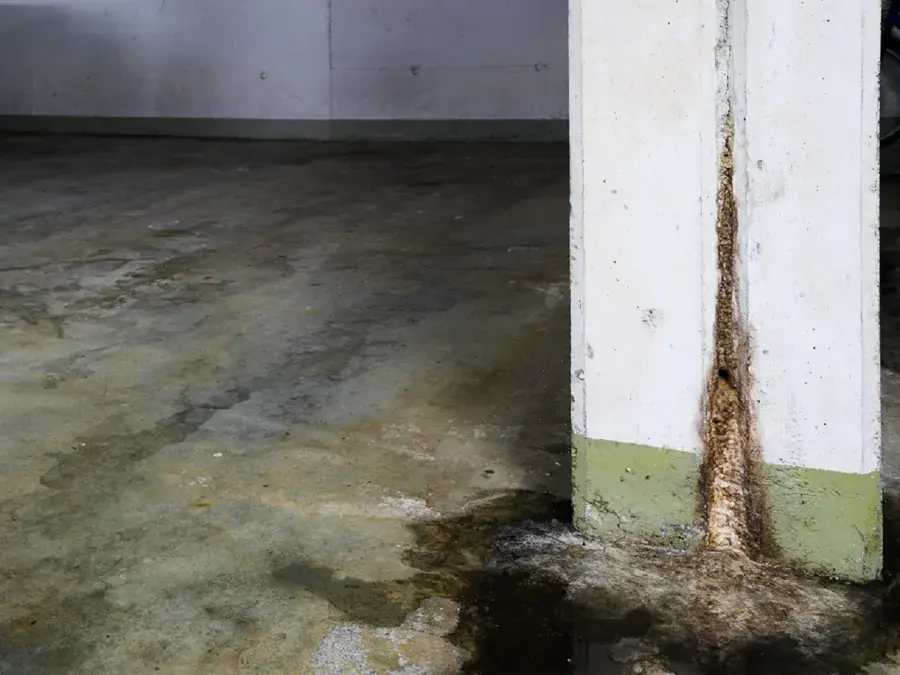
Heavy rain that pools against the foundation can push under the bottom plates and into the house from the outside in. The restoration team pulls the water, dries the slab edge and walls, and documents the entry point.
(888) 926-4485Get the Cedar Park drying crew moving- IICRC S500 drying goal
- Truck-mounted extraction
- 24/7 dispatch
What to do the moment you find water at the slab edge
Find where it is coming in
Note which wall is wet and where the rain pools outside.
Redirect the water
Extend downspouts or clear a blocked drain if it is safe to do so.
Pull wet rugs and boxes
Move stored items off the wet edge of the room or garage.
Call for extraction and drying
Get the slab edge and bottom plates dried before swelling sets in.
The standard behind foundation seepage cleanup in Cedar Park
Rapid local response
The Cedar Park restoration crew answers 24/7 and treats every active leak or flood as urgent, nights and weekends included.
IICRC S500 drying standard
The drying team maps moisture first, sets air movers and LGR dehumidifiers to the load, and keeps equipment running until the readings say dry.
Claim-ready documentation
Timestamped photos, a moisture map and daily drying logs go into the file an adjuster reviews.
Hill Country water experts
Slab foundations over limestone, attic air handlers and Brushy Creek cloudbursts shape how water moves through a Cedar Park home.
What does foundation seepage cleanup cost in Cedar Park, TX?
In Cedar Park, TX, foundation seepage cleanup typically runs $1,000 to $5,500. The drivers are the length of wall affected, the water category, the flooring type and how much baseboard and drywall has to come out.
One wall section
$1,000 to $2,000- Carpet edge and pad
- Baseboard removed
- Slab edge dried
One or two rooms
$2,000 to $3,800- Flood cuts on exterior walls
- Antimicrobial on the slab edge
- Daily readings
Several rooms or a garage
$3,800 to $5,500+- Long wall runs
- Category 3 removal
- Extended slab drying
These are typical ranges, not a quote. The drivers are the water category, the square footage, the material class and how fast drying started. Try the water damage cost calculator for a planning number.
How foundation seepage cleanup is handled in Cedar Park
- 1
Walkthrough and moisture map
The tech who does the walkthrough finds the source, confirms it is stopped, and maps moisture with pinless meters and thermal imaging before any equipment goes down.
- 2
Extraction
The extraction crew pulls standing water with truck-mounted extraction, so the water leaves the house instead of wicking into the next room.
- 3
Drying set to the load
The drying team places air movers and LGR dehumidifiers for the evaporation load of each room, and opens cavities only where the readings call for it.
- 4
Verify and document
Readings are logged daily, and equipment comes out once wet materials sit within 2 to 4 points of a dry reference material in the same house.
Not every storm leak comes through the roof. In Cedar Park, a slow soaking rain or a short cloudburst can pool water against the foundation where the yard slopes toward the house, where gutters dump next to the slab, or where a patio was poured too high. That water finds the joint between the slab and the wall framing and wicks inward under the bottom plate.
How slab-edge seepage looks inside
Seepage usually shows up along exterior walls rather than in the middle of a room:
- Carpet wet along an outside wall, often after rain has stopped
- Baseboards darkening or swelling at the bottom edge
- A line of moisture on tile grout near a sliding door or exterior wall
- A musty smell in a closet or garage wall that backs onto the yard
Why it is not treated as clean water
Water that soaks through soil and mulch before it reaches the slab carries dirt and organic material. The mitigation team treats it as at least Category 2, and as Category 3 when it came from ponded runoff. Wet pad, baseboards and the lower drywall are evaluated with pinless meters and usually come out, the slab edge is cleaned and treated with an EPA-registered antimicrobial, and the drying team dries the bottom plates and the slab surface with air movers and LGR dehumidifiers.
Drying the inside without fixing the outside means the next storm repeats the loss. The claim file notes the entry point so grading, gutters or drains can be corrected.
Fixing the cause outside
Most seepage comes down to drainage: soil sloping toward the house, downspouts that dump against the foundation, or flower beds built up above the weep screed. The Texas A&M AgriLife Extension publishes homeowner advice on yard drainage and soil, and the National Weather Service explains Central Texas flash flood risk.
If the water came in as a sheet through doors, the job is flash flood cleanup. If the slab itself is wet from below with no rain, look at slab leak water damage.
Foundation Seepage Cleanup across Cedar Park and nearby towns
The Cedar Park restoration crew works every street in 78613 and 78630, plus the towns around it, 24/7.
Drying crews cover all of Cedar Park, from Buttercup Creek and Cypress Creek to Twin Creeks and the neighborhoods along Brushy Creek.
Coverage also runs into Leander, Round Rock, Brushy Creek, Jollyville, Anderson Mill, Four Points and northwest Austin.
See every neighborhood and ZIP coveredFoundation Seepage Cleanup questions in Cedar Park, TX
Is foundation seepage the same as a slab leak?
No. Seepage is outside water coming in at the slab edge after rain. A slab leak is a pressurized pipe leaking under the floor, and it happens with or without rain.
Why does the carpet get wet after the rain stops?
Water held in the soil keeps moving toward the low point after the storm, so seepage often peaks hours later.
Do baseboards always come off?
Usually on the wet walls, so the bottom plate and the back of the drywall can dry and be checked.
Will waterproofing the slab fix it?
Most seepage is solved outside with grading, gutter extensions and drainage. Interior sealers do little if water keeps pooling against the foundation.
Is seepage covered by insurance?
Seepage and groundwater are often excluded or limited, while sudden storm damage may be treated differently. Coverage depends on your policy, so it is worth checking with your own insurer.
How long does drying take?
Most exterior-wall seepage dries in three to five days once wet materials are out. Slab-level readings can extend that.
Foundation Seepage Cleanup in Cedar Park? Call now for emergency water removal.
Water that reaches the slab and the bottom plates is the hardest part of a house to dry. The drying team extracts first, sets equipment to the load and keeps it running until the meters agree.