Flash Flood Cleanup in Cedar Park, TX
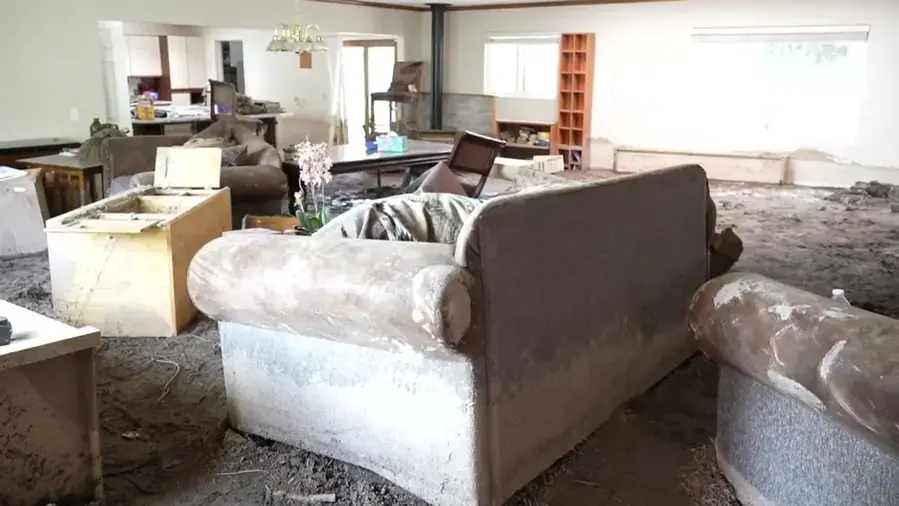
Water that crossed a yard or street carries soil and bacteria, so it is Category 3 the moment it comes inside. The mitigation team pulls the water and mud, removes what it touched and dries the structure under containment.
(888) 926-4485Get the Cedar Park drying crew moving- IICRC S500 drying goal
- Truck-mounted extraction
- 24/7 dispatch
What to do the moment you find flood water inside
Get out of the water
Leave rooms with standing water near outlets and appliances until power is off.
Cut power to wet rooms
Switch off breakers only if the panel is dry and you can reach it safely.
Photograph the water line
Capture the height of the water on walls and furniture before cleanup.
Call for Category 3 cleanup
Get extraction and removal started before the mud dries in place.
The standard behind flash flood cleanup in Cedar Park
Rapid local response
The Cedar Park restoration crew answers 24/7 and treats every active leak or flood as urgent, nights and weekends included.
IICRC S500 drying standard
The drying team maps moisture first, sets air movers and LGR dehumidifiers to the load, and keeps equipment running until the readings say dry.
Claim-ready documentation
Timestamped photos, a moisture map and daily drying logs go into the file an adjuster reviews.
Hill Country water experts
Slab foundations over limestone, attic air handlers and Brushy Creek cloudbursts shape how water moves through a Cedar Park home.
What does flash flood cleanup cost in Cedar Park, TX?
In Cedar Park, TX, flash flood cleanup typically runs $4,000 to $15,000 or more. The drivers are the square footage that flooded, the depth of the water line, how much drywall and flooring comes out and how long the water stood.
Garage or one room
$4,000 to $6,500- Mud and water extracted
- Flood cuts and pad removal
- Antimicrobial and drying
Several rooms
$6,500 to $11,000- Containment and HEPA scrubbers
- Insulation and drywall removed
- Cabinet toe kicks opened
Whole floor flooded
$11,000 to $15,000+- Full-floor removal to the studs
- Extended drying on the slab
- Contents moved or packed out
These are typical ranges, not a quote. The drivers are the water category, the square footage, the material class and how fast drying started. Try the water damage cost calculator for a planning number.
How flash flood cleanup is handled in Cedar Park
- 1
Walkthrough and moisture map
The tech who does the walkthrough finds the source, confirms it is stopped, and maps moisture with pinless meters and thermal imaging before any equipment goes down.
- 2
Extraction
The extraction crew pulls standing water with truck-mounted extraction, so the water leaves the house instead of wicking into the next room.
- 3
Drying set to the load
The drying team places air movers and LGR dehumidifiers for the evaporation load of each room, and opens cavities only where the readings call for it.
- 4
Verify and document
Readings are logged daily, and equipment comes out once wet materials sit within 2 to 4 points of a dry reference material in the same house.
Central Texas earns its name as Flash Flood Alley. A few inches of rain in an hour can push Brushy Creek, Buttercup Creek and Cluck Creek out of their banks and send sheet runoff across yards toward the slab edge. Water that arrives this way is not clean, even when it looks clear, and the cleanup follows Category 3 rules from the first minute.
Why flood water is handled differently
Runoff carries soil, lawn chemicals, fuel residue and sewage from overwhelmed systems upstream. The CDC flood safety pages treat it as contaminated, and the IICRC S500 standard does the same. That changes what can be saved:
- Carpet and pad touched by flood water are removed and bagged, not dried
- Drywall is cut above the water line, and wet insulation comes out with it
- Hard surfaces are cleaned and treated with an EPA-registered antimicrobial
- The work zone gets containment and HEPA air scrubbers so dust and odor stay put
How the mitigation team works a flooded house
The extraction crew starts with the standing water and the mud, using truck-mounted extraction and squeegees on the slab. The tech who does the walkthrough then maps how far water wicked up the walls and under cabinets. Once porous materials are out and surfaces are treated, the drying team sets air movers and LGR dehumidifiers for the open wall cavities and the slab, and logs readings daily.
Stay out of flood water near outlets and appliances, and keep children and pets away from the wet rooms until the cleanup is done.
Flood coverage and the claim file
Rising surface water is usually a flood claim, which runs under a separate flood policy rather than a standard homeowners policy. FloodSmart, the National Flood Insurance Program site, explains how those claims work. Either way, the adjuster needs timestamped photos before removal, the water line on the walls, a moisture map and daily drying logs, and the restoration team builds that file as the work goes.
When runoff enters at the slab edge rather than through a door, the fix overlaps with foundation seepage cleanup. When the sewer backs up during the same storm, see sewage backup cleanup.
Flash Flood Cleanup across Cedar Park and nearby towns
The Cedar Park restoration crew works every street in 78613 and 78630, plus the towns around it, 24/7.
Drying crews cover all of Cedar Park, from Buttercup Creek and Cypress Creek to Twin Creeks and the neighborhoods along Brushy Creek.
Coverage also runs into Leander, Round Rock, Brushy Creek, Jollyville, Anderson Mill, Four Points and northwest Austin.
See every neighborhood and ZIP coveredFlash Flood Cleanup questions in Cedar Park, TX
Is clear flood water safe to dry in place?
No. Water that crossed soil or a street is Category 3 even when it looks clear. Porous materials it touched are removed rather than dried.
How high are the flood cuts?
Drywall is usually cut a foot or two above the highest wet reading, not just above the visible water line, because drywall wicks water upward.
Can hardwood survive a flash flood?
Rarely. Solid hardwood soaked by contaminated water usually has to come out. Tile on the slab can often be cleaned and kept.
Does homeowners insurance cover flash flood damage?
Rising surface water is usually covered only by a flood policy. Coverage depends on your policy, so it is worth checking with your own insurer.
How long does drying take after a flood?
Once materials are removed, open wall cavities and the slab often dry in three to five days. Equipment stays until readings reach the drying goal.
Should I pressure wash the mud out myself?
Hold off. Pressure washing spreads contaminated silt into wall cavities and under baseboards. Extraction and removal first keeps the contamination contained.
Flash Flood Cleanup in Cedar Park? Call now for emergency water removal.
Water that reaches the slab and the bottom plates is the hardest part of a house to dry. The drying team extracts first, sets equipment to the load and keeps it running until the meters agree.