About Cedar Park Water Damage Restoration
Water damage restoration for Cedar Park, TX and the nearby Williamson County towns, sold on one idea: the house is dry when the readings say so.
Restoration planned around Cedar Park houses
Cedar Park homes are built a particular way. Most sit on concrete slabs over limestone, with supply plumbing below the floor, an air handler in the attic and a water heater in the attic or garage. Those details decide where loose water goes, and they decide how the restoration team plans the dry-out.
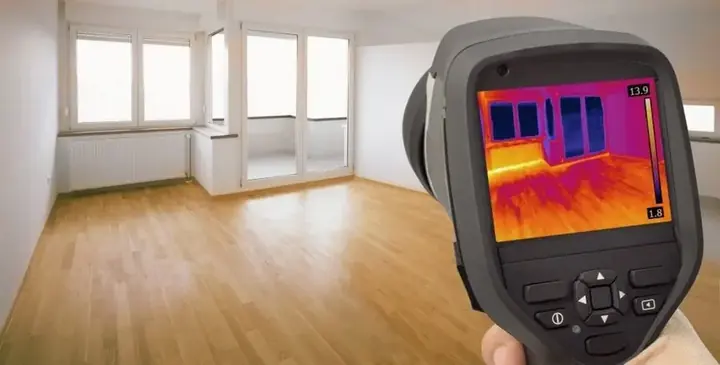
Every job follows the same order. The tech who does the walkthrough stops the source if it is still running and maps moisture with pinless meters and thermal imaging. The extraction crew pulls standing water with truck-mounted equipment. The drying team sets air movers and LGR dehumidifiers to the load of each room and records readings daily until the wet materials reach the drying goal.
The work covers water and sewage only: slab leaks and foundation seepage, burst and frozen pipes, water heater and AC condensate leaks, roof and ceiling leaks, appliance hoses, Brushy Creek flash flooding and Category 3 sewage backups, in homes and in businesses.
What holds a Cedar Park dry-out to a standard
A number, not a date
The drying goal is a reading within 2 to 4 points of a dry reference material in the same house. Equipment stays until that number shows up.
Category sets the plan
Clean, gray and black water are handled differently. Porous materials touched by Category 3 water get removed, not dried.
A file an adjuster can follow
Timestamped photos, the moisture map and daily psychrometric logs go into the job file from the first visit.
Water in a Cedar Park home or business? Start the dry-out now.
Water that reaches the slab and the bottom plates is the hardest part of a house to dry. The drying team extracts first, sets equipment to the load and keeps it running until the meters agree.